Location
MarcoIsland, FL
 4.9
4.9
 (797)
Reviews
(797)
Reviews
Location
MarcoIsland, FL
Email Us
info@rebathmarcoIsland.com4.9/5  797 Users Rating
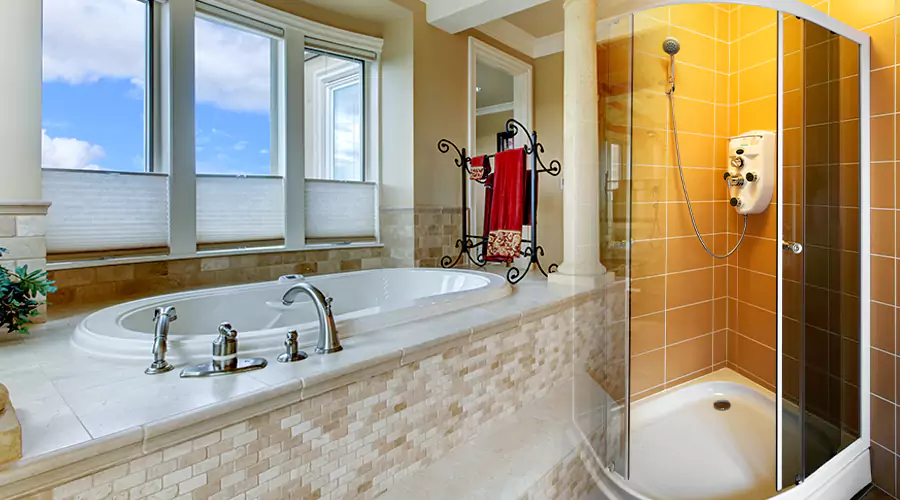
Few remodeling decisions generate as much debate as the question of whether to keep a bathtub or replace it with a walk-in shower. On one side, you have the sleek, modern appeal of a frameless glass shower. On the other, you have the timeless functionality of a tub that families and pet owners rely on. When you add the pressure of future resale value into the equation, the decision can feel paralyzing. The truth is that there is no universal answer. What works beautifully for a young professional in a downtown condo may alienate buyers in a suburban family neighborhood. According to the National Association of REALTORS® (NAR), 67% of homebuyers consider the number and type of bathrooms a top-three factor when evaluating a home, so your decision matters. This guide breaks down the resale implications of walk-in showers versus bathtubs using current market data and real estate expertise from 2026. By the end, you will have a clear framework for making the right choice for your specific home and market.
Before diving into resale value, it is important to understand where the market is heading. Homeowners are increasingly choosing to replace bathtubs with larger, more luxurious showers. According to the National Kitchen and Bath Association (NKBA) 2025 Bath Trends Report, the most popular bathroom remodel update over the next three years will center on replacing a bathtub with a walk-in shower. Industry data shows that 53% of designers report removing bathtubs to accommodate larger showers, with 42% fielding more requests to knock down walls to open up the space. The 2025 Houzz Bathroom Trends Survey reinforces this shift, revealing that 3 in 5 homeowners increase the size of their primary bathroom shower during renovations, with a quarter expanding by more than 50%.
Key Takeaway: Showers represent the future of bathroom design. Buyers increasingly expect a spacious, spa-like shower in primary suites. However, this does not mean the bathtub is obsolete. It simply means the role of the bathtub has evolved from a daily necessity to a specialized feature.
Across dozens of real estate studies and agent interviews, one piece of advice appears with remarkable consistency. If you are renovating with resale in mind, never remove the only bathtub in the house. Real estate professionals consistently refer to the "one-tub rule." This is the principle that a house should have at least one full bathroom with a bathtub to appeal to the broadest pool of buyers. The National Association of REALTORS® emphasizes that keeping at least one bathtub is essential for maintaining strong cost recovery, particularly in family-oriented neighborhoods.
Why is this rule so critical? Because even if the majority of your potential buyers never take a bath, they want the option. A home with zero bathtubs can shrink your buyer pool significantly. Families with young children, pet owners who bathe dogs, and even some adults who enjoy the occasional soak will mentally filter out homes without a tub.
"I have had clients turn to me after we have done a walk-through of a lovely home and say, 'Where is the tub? Where am I going to wash the kids? Where am I going to wash the dog?'" says Kathryn Bishop, a REALTOR® in Sherman Oaks, California.
The one-tub rule provides the foundation, but the specifics depend on your home's bathroom count and configuration.
Recommendation: Keep the tub or install a tub-shower combo.
If your home has a single full bathroom, that bathroom carries the entire functional load for the household. When buyers tour, they imagine daily life immediately. A tub in a one-bathroom home reads as "complete." A shower-only bathroom can read as "limited," even if the shower is beautifully designed.
The tub-shower combo remains the standard in most U.S. homes for good reason. It offers versatility: a space for quick showers and occasional baths. For resale purposes, this dual functionality is a major selling point.
The Risk: Removing the only tub in a one-bathroom home is the highest-risk scenario for resale. In family-oriented or suburban neighborhoods, this can be seen as a red flag rather than a luxury upgrade.
Recommendation: Keep one tub (typically in the hall or guest bath) and convert the primary bath to a walk-in shower.
If your home has multiple bathrooms, you have flexibility. You can usually go shower-only in one bathroom without hurting resale value, as long as the home still has a tub somewhere.
This is where the strategic value of a tub-to-shower conversion becomes clear. Converting a second or master bathroom tub into a walk-in shower can be a smart move that modernizes your space and increases appeal to a significant segment of buyers.
The Primary Bathroom Question: Many homeowners ask whether the primary suite needs a bathtub. The answer depends on your market. In luxury or upscale neighborhoods, a freestanding soaking tub in the primary bathroom can serve as a high-value centerpiece and a focal point that signals luxury to buyers. However, many buyers today do not care about a tub in the primary bathroom specifically; they want a stunning shower.
Recommendation: A walk-in shower maximizes functionality and perceived space.
In bathrooms where square footage is at a premium, a tub can consume valuable real estate. Eliminating a bulky tub can free up floor space, making the bathroom feel significantly larger.
If space is tight, the ideal strategy is to keep the tub in the guest or hall bathroom and go all-in on a dream shower for the primary bath. This approach gives you the best of both worlds: a functional tub for resale and a luxurious shower for daily enjoyment.
The right choice also depends on who is most likely to purchase your home. Different buyer groups have distinctly different expectations.
| Buyer Demographic | Preference | Why It Matters |
|---|---|---|
| Young Families | Bathtub | Bathtubs are essential for bathing small children. Many family buyers have "at least one tub" on their must-have list. |
| Older Adults (55+) | Walk-in Shower | Low-threshold access and safety features like grab bars make walk-in showers a major benefit for aging in place. |
| Luxury Homebuyers | Both | Expect a spa-like primary bathroom with a freestanding soaking tub and a separate, spacious walk-in shower. |
| First-Time Buyers | Walk-in Shower | Prefer trendy, low-maintenance options that feel modern and fresh. |
| Pet Owners | Bathtub | A tub provides a practical space for bathing dogs and other pets. |
The return on investment (ROI) for bathroom remodeling varies significantly based on the scope of work and your local market.
Bathtub ROI: Many U.S. homeowners recoup around 60% of their investment from having a bathtub installed. Bathtubs paired with showers are more attractive to prospective homebuyers than a bathtub by itself.
Walk-In Shower ROI: In a 2025 market analysis, walk-in showers delivered an average ROI of 78% because they appeal to both younger buyers and aging-in-place owners.
Overall Bathroom Remodel ROI: According to the 2025 Cost vs. Value Report, a midrange bathroom remodel recoups about 80% of its cost nationally, while an upscale bathroom remodel recoups about 42%. This makes overspending on luxury finishes much harder to justify if resale is the primary goal.
| Project Type | Average Cost Range | Resale Impact |
|---|---|---|
| Tub-to-Shower Conversion | $3,000 - $8,000+ | Positive in multi-bath homes; risky in single-bath homes |
| New Bathtub Installation | $4,000 - $9,000 | Strong for maintaining buyer pool breadth |
| Walk-In Shower Installation | $6,500 - $14,000 | High appeal to modern and aging-in-place buyers |
| Hybrid Setup (Separate Tub + Shower) | $11,000 - $23,000 | Highest appeal; appeals to both buyer groups |
Choose this path if:
Resale Impact: Maintains the broadest buyer pool and protects against alienating family buyers. The tub-shower combo remains a versatile, practical choice that most buyers accept without question.
Choose this path if:
Resale Impact: Can enhance marketability to a significant segment of buyers, provided another tub exists elsewhere.
Choose this path if:
Resale Impact: The "separate shower and bath" layout remains the undisputed champion of real estate value when space permits.
You should strongly consider keeping a bathtub if:
You can confidently convert to a walk-in shower if:
| Your Situation | Best Choice for Resale |
|---|---|
| One full bathroom, any location | Keep the tub or install a tub-shower combo |
| Two or more bathrooms, primary bath remodel | Walk-in shower (keep tub in hall/guest bath) |
| Two or more bathrooms, hall/guest bath remodel | Keep the tub-shower combo |
| Luxury home, spacious primary bath | Separate soaking tub and walk-in shower |
| Small bathroom, multi-bath home | Walk-in shower to maximize space |
| Plan to sell within 2 years | Prioritize keeping at least one tub |
| Plan to stay 10+ years | Prioritize your lifestyle; just keep one tub somewhere |
The walk-in shower versus bathtub debate does not have a one-size-fits-all answer. The data shows a clear trade-off: walk-in showers win on design, accessibility, and modern appeal, while bathtubs maintain broader functional utility, especially for households with children.
The most strategic approach is to maintain at least one bathtub somewhere in the home while using your remaining bathroom square footage to create the luxurious, spa-like dreamstyle shower that today's buyers and homeowners crave. This balanced approach protects your resale value while allowing you to enjoy the daily benefits of a modern, accessible bathroom.
If you are planning a bathroom remodel and want personalized guidance on how to maximize both your daily enjoyment and long-term resale value, our team is here to help. Contact us today for a consultation that takes into account your specific home, neighborhood, and goals.
09
Apr, 2026
Walk-In Shower vs. Bathtub: Which Is Better for Resale Value in 2026?
Get insights into walk-in shower vs bathtub resale value in 2026, exploring buyer preferences, home trends, and which option adds more market appeal.